Timing
Ozempic, GLP-1s and Tummy Tuck Timing: What You Need to Know
GLP-1 weight loss is real weight loss — with two surgical specifics: the plateau rule and the anaesthesia pause.
Read articlePost-weight-loss abdominoplasty with Assoc. Prof. Dr. Ayhan Işık Erdal — removing the loose skin that diet, GLP-1 medication or bariatric surgery leaves behind, and repairing the muscle wall beneath it. For international patients, with honest gatekeeping.
Skin stretched for years loses the elastic machinery recoil requires — no exercise tightens it, because it's empty skin, not fat. If your weight has been stable 6–12 months and the folds remain, that is your skin's final answer. Surgery isn't giving up on your body; it's the one tool that addresses the tissue in question.
Six patterns nearly every post-weight-loss abdomen shows some mix of — all addressed in one coherent plan.
The fold of loose skin that hangs over the waistband after major weight loss — no exercise tightens it, because it is empty skin, not fat. Surgical removal is the only real answer.
Skin-on-skin folds trap moisture: recurrent rashes, irritation, odour and infections under the fold. A medical problem, not a cosmetic one — and one an abdominoplasty solves definitively.
You did the work — the scale proves it — but loose skin hides the shape underneath. Removing the excess finally lets your result show.
Years of weight and/or pregnancies can separate the paired abdominal muscles. The bulge no plank fixes — repaired from the inside during the same operation, when present.
The area below the abdomen sags and stays full after weight loss too. A complete post-weight-loss plan lifts and flattens it in the same procedure.
Losing 20, 40, 60 kilos is a life achievement — and loose skin can make it feel invisible. Body contouring is the final chapter of the same story, not a different one.
Weight stability first, the right operation second, meticulous execution third.
The foundation: your weight should be at a plateau you can maintain — typically stable for 6–12 months, whether you lost through diet, GLP-1 medication or bariatric surgery. If you're not there yet, the honest answer is 'not yet' — and you'll hear it plainly.
Standard tummy tuck, extended, fleur-de-lis, or a circumferential 360 — the choice follows how much skin you have and in which directions. Nutrition and protein status are checked too; healing after major weight loss deserves preparation.
If your abdominal muscles have separated, they are repaired with permanent internal sutures during the same operation — the flat core no exercise could restore.
The excess skin is removed as a measured ellipse (or vertical wedge in fleur-de-lis cases), tissues are re-draped, and a natural-looking umbilicus is crafted — small details that decide how 'operated' a result looks.
Layered closure over drains (usually removed within days), dissolvable skin sutures, and a compression garment that guides healing for the following weeks.
Swelling resolves over 2–3 months; the scar matures from red to a pale line over 12–18 months. The shape you worked years for finally shows.
Panniculectomy removes the apron only; a full tummy tuck rebuilds the abdomen; fleur-de-lis adds a vertical component for two-direction excess. The answer is anatomical — measured, not sold.
GLP-1 weight loss counts fully — and brings two surgical specifics: operate at the plateau you can hold (not mid-descent), and the medication is paused around surgery per anaesthesia guidance, because it slows stomach emptying. A clinic that doesn't ask about GLP-1 use is a clinic to question.
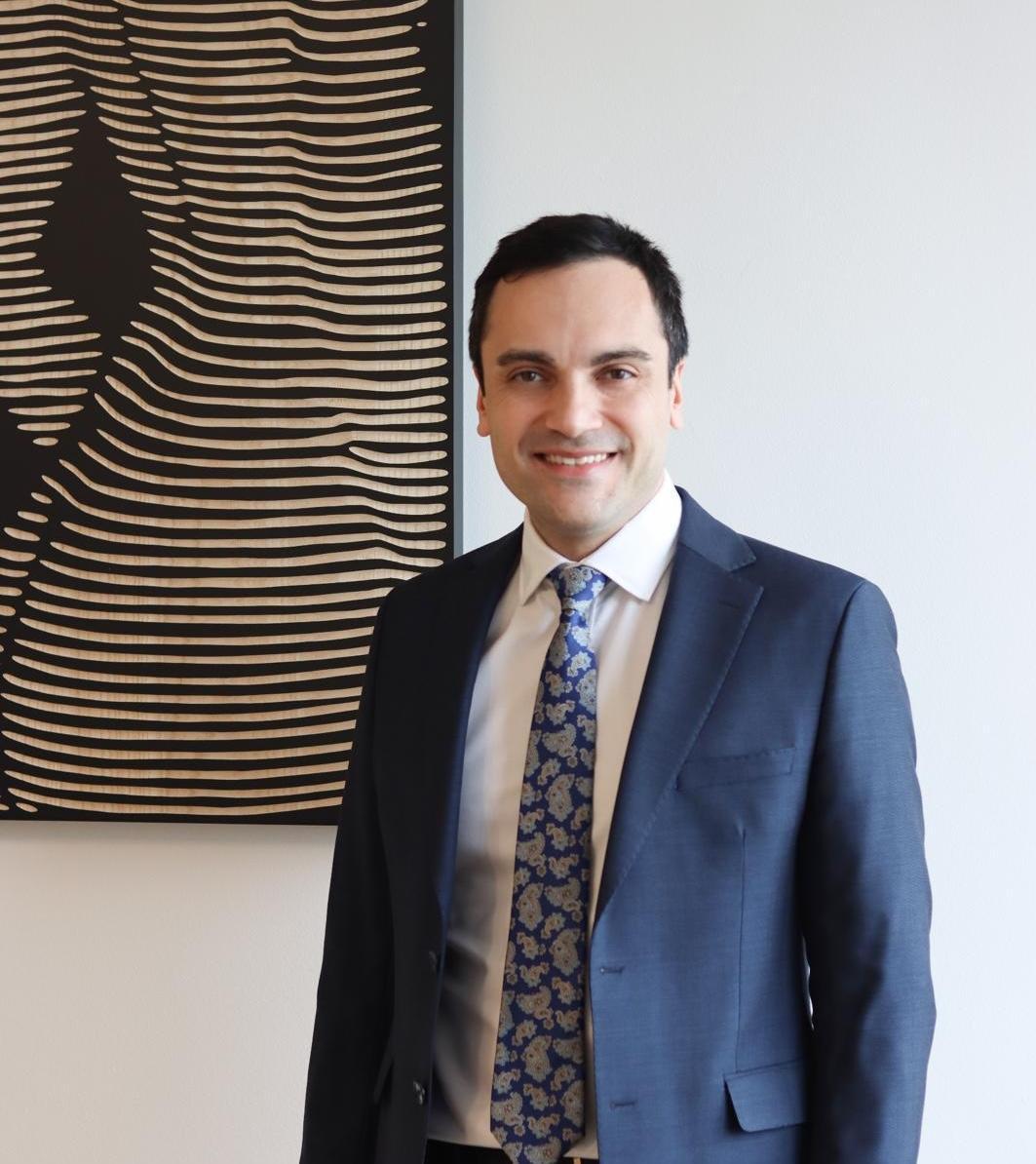
A double board-certified plastic & reconstructive surgeon who treats post-weight-loss contouring as what it is: the final, surgical chapter of an achievement you already earned.
Most patients start with WhatsApp photos, their weight story — and an honest opinion, free.
Send photos (front, side, holding the fold) and your weight history over WhatsApp — how much you lost, how, and how long stable. Dr. Erdal tells you honestly which operation fits, or whether to wait.
Standard, fleur-de-lis or 360 — a tailored plan with an all-inclusive quote and no obligation.
In Istanbul you are examined and the plan confirmed before anything is scheduled.
Typically 2–4 hours under general anaesthesia with a qualified anaesthesia team, followed by a night in an accredited hospital.
You recover nearby with drains managed, garment fitted and the team on call — typically 7–10 days in Istanbul before flying.
Dr. Erdal stays reachable as swelling settles and the scar matures — photo reviews at the intervals that matter.
Most patients travel from the UK, Ireland, the United States, Canada, Germany and the Nordic countries. Direct flights, English-speaking care throughout, a stay of typically 7–10 days for this larger operation — and savings of 50–70% versus comparable private treatment at home.
You walk slightly bent to protect the repair, sleep propped, and shuffle rather than stride. Drains usually come out within days. Discomfort is front-loaded and manageable; walking from day one protects you.
Posture straightens, drains are gone, and desk work typically resumes at 2–3 weeks. Lifting stays restricted — the internal repair is still knitting.
Walking becomes exercise, then light training from ~6 weeks, core work last. Swelling fluctuates day to day — normal.
The shape is judged at ~3 months; the scar keeps maturing from red to a pale, low, concealable line over 12–18 months. Patience pays twice here.
GLP-1 timing, loose-skin truths, the scar trade — answered without euphemism.
GLP-1 weight loss is real weight loss — with two surgical specifics: the plateau rule and the anaesthesia pause.
Read articleOne removes the apron; the other rebuilds the abdomen. Why the cheaper-sounding option often disappoints.
Read articleMassive weight loss stretches skin in two directions. The vertical-scar operation that finally fits the skin back.
Read articleTwo tests: your weight has been stable at a maintainable plateau for roughly 6–12 months, and your loose skin — not remaining fat — is the main problem (the pinch test: mostly empty skin folds). Health and nutrition status matter too. Send photos and your weight history for an honest, individual answer — including 'not yet' when that's the truth.
The same stability rule applies, with one addition: plan surgery for a weight you can hold, and coordinate the medication around the operation. GLP-1 drugs slow stomach emptying, which matters for anaesthesia — they are typically paused before surgery per anaesthesia guidance, and your plan should account for it. If you're still actively losing, wait for the plateau: operating mid-descent means loose skin returns.
A panniculectomy removes the hanging apron only — a functional operation for rashes and hygiene, with no muscle repair or waist shaping. A tummy tuck removes the excess skin AND repairs separated muscles, reshapes the waist and crafts a new navel. Most weight-loss patients who can have the full operation are happier with it; the comparison page covers the decision in depth.
After massive weight loss, skin is often loose in two directions — vertically and horizontally. A standard tuck removes the horizontal excess; a fleur-de-lis adds a vertical component (an inverted-T scar) to remove excess width too. It trades a visible vertical scar for a dramatically better contour in the right candidate — an honest anatomy-based decision made at assessment.
Home-country insurance occasionally covers panniculectomy (the functional apron removal) domestically, but very rarely covers surgery abroad — treat treatment in Istanbul as self-pay. The honest math: even self-pay in Istanbul typically costs 50–70% less than comparable private surgery at home, which is exactly why patients travel.
Real: hip-to-hip, low across the abdomen (plus a vertical line in fleur-de-lis cases). It matures from red to a pale line over 12–18 months and sits below the underwear line by design. The honest trade: a concealed scar in exchange for the hanging skin — a trade post-weight-loss patients almost universally consider worth it.
Share photos (front, side, and holding the loose skin) plus your weight history — how much you lost, how, and how long you've been stable. Dr. Erdal personally replies with an honest opinion, a tailored plan and an all-inclusive quote, with no obligation.